Keep Your Kids Safe This Summer
Advice for preparing a home to protect your family from common dangers. Preparedness is key in any emergency
situation. Reviewing unexpected dangers and having a emergency plan can help you keep your loved ones safe and prepared.
Typical household dangers to kids include: household chemicals, hot stoves, and pools, but there are unexpected dangers that sometimes don’t receive the same attention and can pose a risk to not only children, but seniors as well. According to the Center of Disease Control, millions of people (65 and older) suffer from injuries in their own home each year. Preventable home hazards, such as throw rugs or loose railings, can be particularly harmful. Majority of seniors (85 percent) have not taken any steps to prepare their homes for their changing needs as they grow older.
To help you better protect your family, here is a list of some unexpected hazards that could be a potential risk to safety.
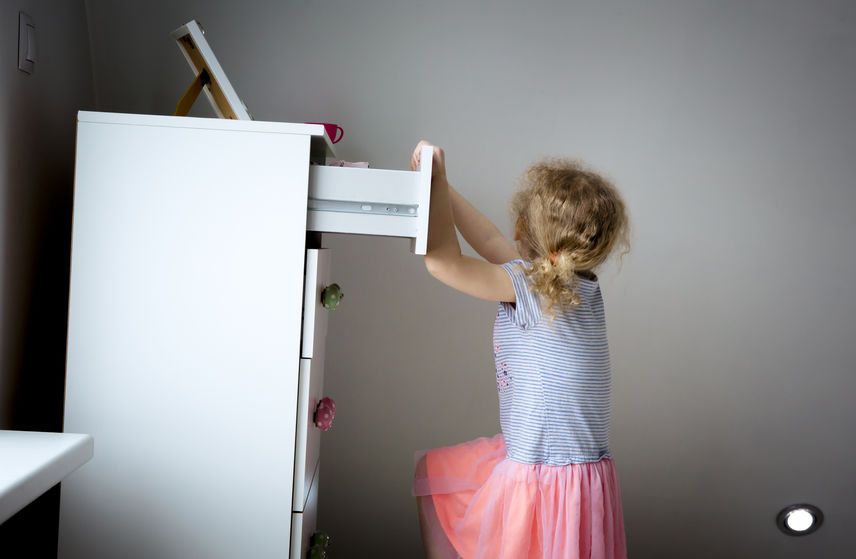
Heavy furniture and appliances – Children are notorious for climbing, and in the home, this often means scaling large pieces of furniture in search for a toy or other object. Unfortunately, if the furniture or appliance is not anchored in, it can tip over and strike or land on top of the child. To make your home safer, purchase and install anti-tip brackets for ovens, fridges, and other appliances, and anchor large pieces of furniture into the wall. Securing televisions in mounting hardware is also recommended.
Plants – Many popular plants are actually poisonous to humans, and if a curious child decides to see how one tastes, it could have potentially tragic consequences. Research your indoor plants and those outside in your garden to make sure that none are poisonous, and remove ones that are. Some common varieties include butter cups, catnip plants, Iris, English Ivy, Hydrangea, and Lily of the Valley. A more extensive list of toxic plants can be found at nyc.gov.
Toilets – Most parents know that bathtubs can be drowning dangers to kids, but in reality, any standing water poses a risk, even toilets. In fact, 5% of all non-pool related submersion incidents reported to the U.S. CPSC from 2006-2010 involved children under 5 years old being injured or drowning in a toilet. Fortunately, installing a simple lid latch can greatly reduce the risk of this occurring.
Humidity – Humidity and moisture in the home can lead to the growth of unhealthy mildew and mold, which can in turn cause respiratory issues in children and adults alike. Watch for potential mold issues in prone areas like basements and attics, and consult a professional immediately if you suspect there may be an issue.

Plumbing – Lead has been linked to lower IQs, learning disabilities, behavioral problems and a variety of other issues in children. You no doubt are on guard for this substance in toys and paint, but did you know it could also be in your water pipes? Older homes often have lead pipes or soldering/flux that could allow unsafe levels of this heavy metal into your drinking supply. The EPA advises flushing pipes before each use and using only cold water to prepare food and for drinking, since hot water is more likely to have higher levels of lead. Water filters can also reduce water’s lead content, but be sure to look for one that’s certified specifically to remove lead.
Age-inappropriate toys – If you have more than one child, chances are that they have their own toys, and that they often play together. While this is great for siblings to bond, it’s important to recognize that the older child’s toys may contain small parts that pose a choking threat to the younger one. Make sure to supervise your kids when they play together, and if possible, segregate the toys to keep potentially unsafe ones away from the younger child.
House guests – They may do so innocently, but even the most considerate house guest could end up posing a risk to your child because of the thing they bring with them. For example, you may keep your medications and razor locked in a bathroom cabinet, but your guest probably just has a toiletry bag to hold their belongings. Keep children out of the guest’s room and belongings, and offer them a secure place to store potentially hazardous substances.
Here is how you should prepare your emergency equipment:
- Store all of the items in an easy-to-carry bag or suitcase. It should be readily accessible to everyone in the family.
- One gallon of water per person per day for at least three days should be included.
- At least a three-day supply of non-perishables and a can opener should be packed to feed your family.
- Flashlights and extra batteries can be used for light, but never use candles, or this will cause a fire hazard.
- Have the essential first-aid supplies such as bandages, soap or other cleansers, burn ointment, eye wash, thermometer, and Pepto-Bismol.
- Keep a portable radio on hand in case the power goes out.
- Have at least $100 in your kit.
- At the end of the day, tailor an emergency preparedness kit to your family’s needs.
Poisoning
In 2011, poisonings overtook motor vehicle crashes for the first time as the leading cause of unintentional-injury-related death for all ages combined. Poisoning deaths are caused by gases, chemicals and other substances, but prescription drug overdose is by far the leading cause. Learn more about this epidemic.
Falls
More than 29,000 people died in falls in 2013. Falling is the third leading cause of unintentional- injury-related death over all age groups, but it's the #1 cause of death for those 71 and older, according to Injury Facts 2015. The good news: Aging, itself, does not cause falls. Learn what you can do to help protect older loved ones.
Choking
Choking on food or other objects is the fourth leading cause of unintentional-injury-related death over all age groups. Deaths rates rise rapidly at about age 74 and peak at 84. It is the second leading cause of unintentional injury death for people 87 and older. Know signs of choking and how to react.
Drowning
Not including boating incidents, about 10 people drown every day. It's the fifth leading cause of unintentional-injury-related death over all ages, and the #1 cause of death for children ages 1 to 4, mostly due to children falling into pools or being left alone in bathtubs. Learn how to keep yourself and your family safe.
Fires and Burns
Fire is the sixth leading cause of unintentional-injury-related death over all ages. About 2,200 deaths were caused by burns and injuries related to fire in 2013. Often fires start at night, when family members are asleep. A working smoke alarm will cut the chances of dying in a fire in half.
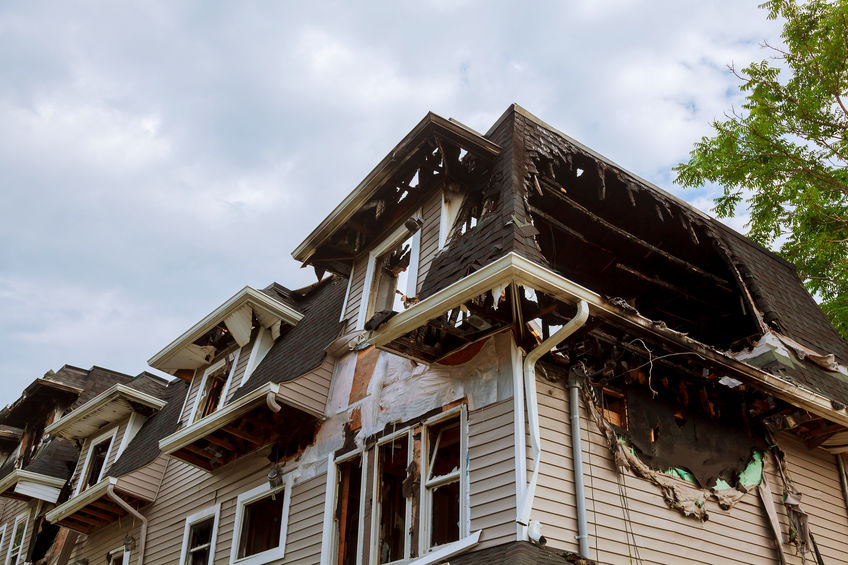
Learn more fire safety tips here.
Sources:
Consumer Product Safety Commission—www.cpsc.gov
Window Covering Safety Council—www.windowcoverings.org
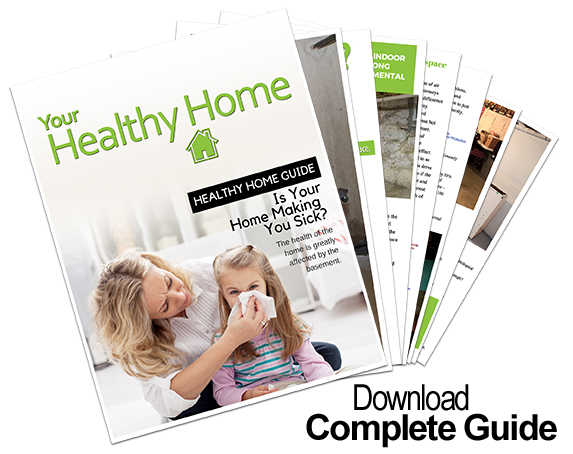
Get this free comprehensive guide for more information on "Is Your Home Making You Sick?
Learn more about Indoor air pollution, increased risk health, and how to determine if you are at risk.
Request your free guide now
Find Out What it Takes to Make it Right
Schedule your free estimate to start
the process for making your home healthy!
WHAT TO EXPECT FROM YOUR ESTIMATE
Ground Water Control
Sump Pump System
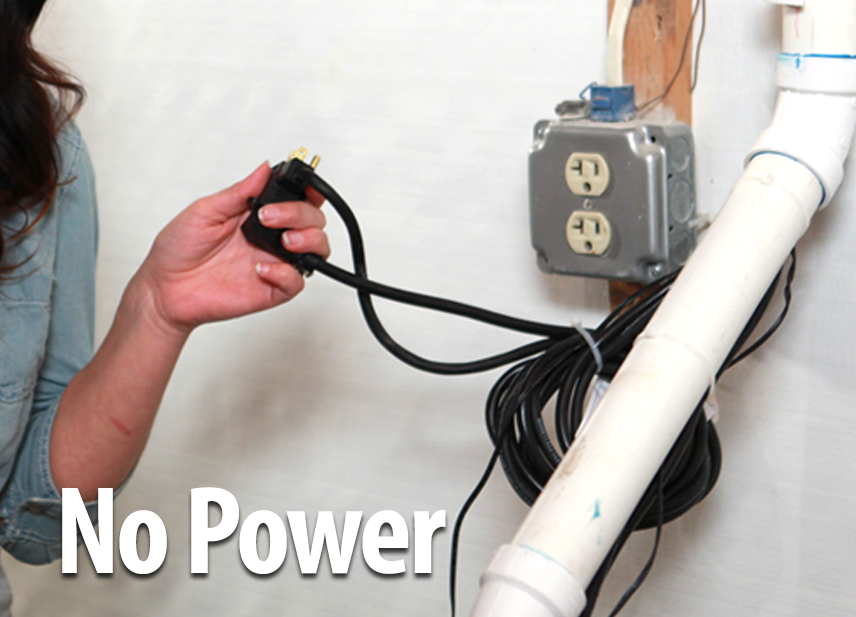
Sump Pump Backup Protection
Battery Backup Systems
Full Perimeter Drainage System
GrateDrain System
Full Wall Protection
Vapor Barrier
Moisture Control
Dehumidifiers
Maintenance & Upkeep
Sump Pump Cleaning & Service
Extremely professional and able to cater to our specific application. Same with the crew, who arrived on time and were in and out in probably three hours. The final result was an immaculate, well designed and highly efficient sump pump system. I am no longer haunted by the loud and obnoxious clank. The first couple of days I found myself checking on the system to ensure it was still operating properly because it was so quiet. Very satisfied and would strongly recommend.
Steve H.
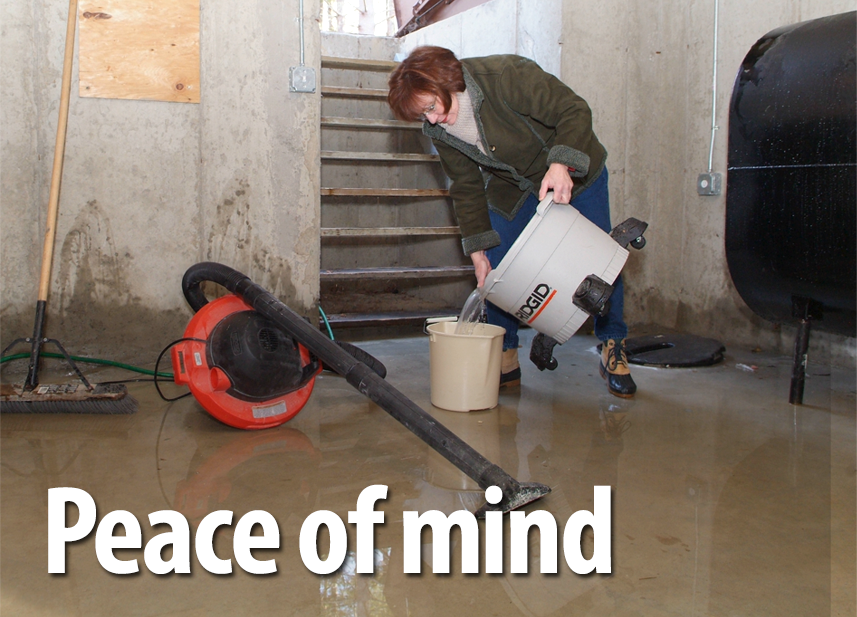
A couple of weeks ago I made a great investment in my house. I had my basement waterproofed. It saved me hours using my shop vac sucking up the water caused by the rain. Notice the 2 exit pipes, one is electric the other is battery powered so when the power goes out so does the water. — feeling thankful.
George S.
Sign Up For Your FREE Estimate